PRODUCT DETAIL
No Similar products to show
![Humi[K] WSP 30lb](https://www.indoorsunhydro.com/theme/products/images/1758525404_68d0f7dc327db.webp)
Humi[K] WSP 30lb
Sac Store, CA: 15
Humi[K] Bio was developed to deliver beneficial microbes and complex humic acid molecules together into one powerful product that is easy to store, handle and apply. Humi[K] Bio is available as a water soluble granule or powder , which contains an advanced balance of combinatorial chemistry, such as humic acids, sea kelp, minerals, and highly concentrated, specifically selected beneficial microbes.
Patented Manufacturing Process:
Made from a patented specialized “wet chemistry” extraction of humic and fulvic acids in a 100% soluble granule form. Our process begins with the highest quality raw materials, which are then micro-pulverized in their naturally dry form, precisely blended into our proprietary alkaline or acidic wet chemistry formulas, and subsequently micro-quad filtered to separate all insoluble materials.
Using our proprietary “wet chemistry” extraction process, we ACTIVATE the humic acid molecules, making them more functional and enhancing their plethora of abilities, namely complete ionization, high CEC (Cation Exchange Capacities), buffering, chelation, and complexation.
In sharp contrast, other competitors’ methods of non-alkaline extraction (non-ionized) do NOT activate those functional humic molecules, thus drastically reducing their benefits.
Higher yields, start with Humi[K]
Soluble Potash (K2O) 14%
Humic Acid Content:
95-97% Potassium Humate (A&L method)
60-65% Humic Acid (CDFA method)
Sea Kelp 2.5%
Microbial Blend:
Bacillus Licheniformis
2.99 x 10⁷ CFU/gm
Bacillus Megaterium
3.59 x 10⁷ CFU/gm
Bacillus Subtilis
8.37 x 10⁷ CFU/gm
Bacillus Amyloliquefaciens
8.37 x 10⁷ CFU/gm
Bacillus Pumilus
8.37 x 10⁷ CFU/gm
Total Bacillus:
3.17 x 10⁸ CFU/gm
Learn More:
Humic Substances and Microorganisms
Specific Functions of Beneficial Microbes:
1. B. Megaterium & B. Amyloliquefaciens
Promote root growth at the beginning stage of plant's life.
2. B. Amyloliquefaciens
Antagonist to fusarium & sclerotinia.
3. B. Subtilis
Antagonist to phytophthora and pythium.
❖Enhances seed germination.
❖A complete platform for soil and plant health, fertilizer and water-use efficiency
❖Enhances soil and plant metabolic activities.
❖Major energy sources for beneficial microbes.
❖Liberates carbon dioxide from soil calcium carbonates and enhances root rhizodeposition.
❖Specialized microbes enhance soil and organic matter mineralization.
❖Phosphate solubilizing bacteria.
❖Compete with plants and soil pathogenic species.
❖Reduce oxidized forms (redox) of certain metal ions. In other words, they form radiant energy.
❖Enhance metabolisms of proteins’ RNA and DNA.
❖They have a unique affinity for chemical balance.
❖They contain polysaccharides, amino acids, gibberellins, auxins, and cytokinin’s for plant growth.
❖Reduces abiotic stresses from soil and plants.
❖Enhances aerobic respiration.
❖Activates biochemical processes, their secondary reactions, chemical affinity last over 200 days.
❖Improve soil symbiosis
❖Reduce bad bacteria through competitive exclusion
❖Increase root mass development to help deeper penetration into the soil for water sources, thus reducing dehydration during periods of excessive heat
❖Enable the plants to build tolerance to infestations of soil diseases
❖These specialized microbes immobilize organic and inorganic matter through an enzymatic process, which maximizes the availability of absorbable micronutrients for plant uptake and providing enzymes, metabolites, and biomass that aids in building soil structure
These microbes are phosphate-solubilizing bacteria (PSB), a group of beneficial bacteria capable of hydrolyzing organic and inorganic phosphorus from insoluble compounds. Bacillus spp. can compete with other bacteria and fungi that can potentially affect crops adversely. These bacilli can inhibit Phyto-pathogenic attacks such as phytophthora, fusarium, verticillium, or induce-plant natural defense mechanisms to fight potential pathogenic attacks.
Best Selling Products

Category: Matr...
1 bought in the past month
Category: Filt...
1 bought in the past month
Category: Orga...
1 bought in the past month
Category: Blea...
1 bought in the past month
Category: Mont...
1 bought in the past month
Category: Ag S...
2 bought in the past month
Category: Matr...
1 bought in the past month
Category: Trol...
Category: Glov...


Category: Hous...
Category: Trol...
Category: Cutt...
Category: Cutt...
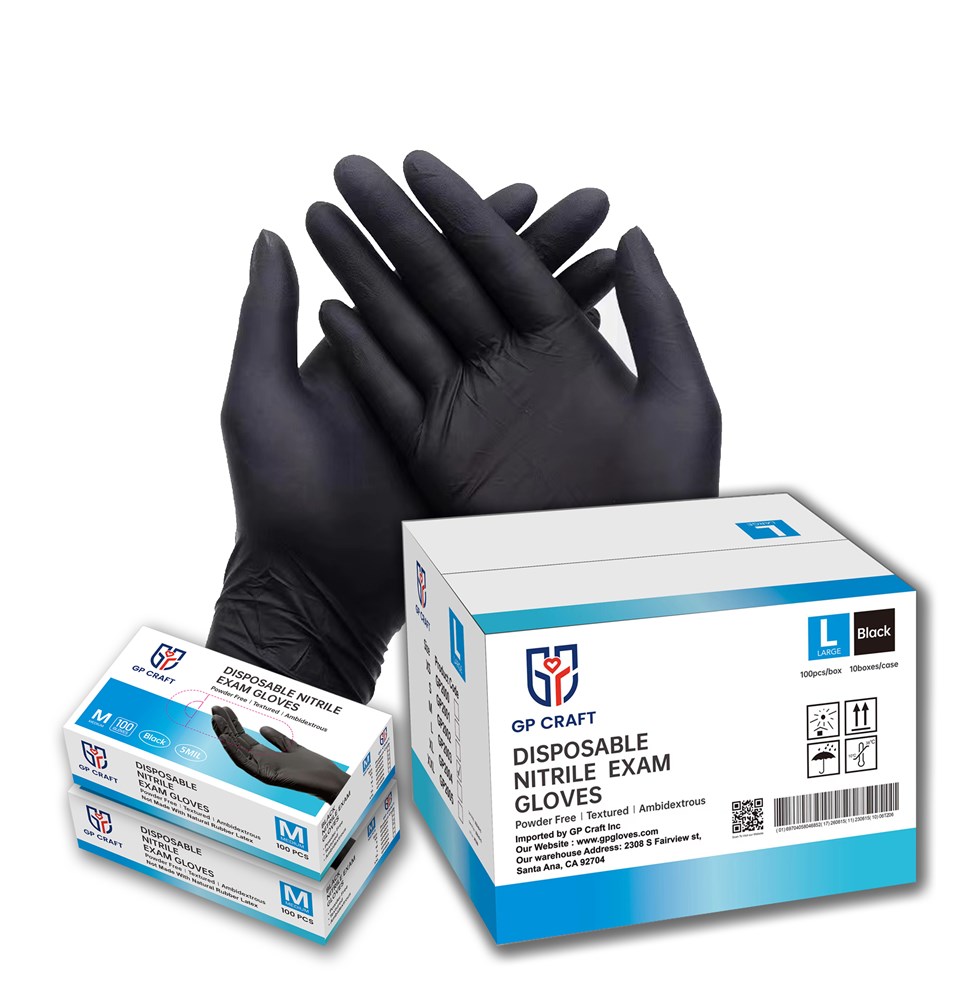
Category: Glov...
Category: Irri...

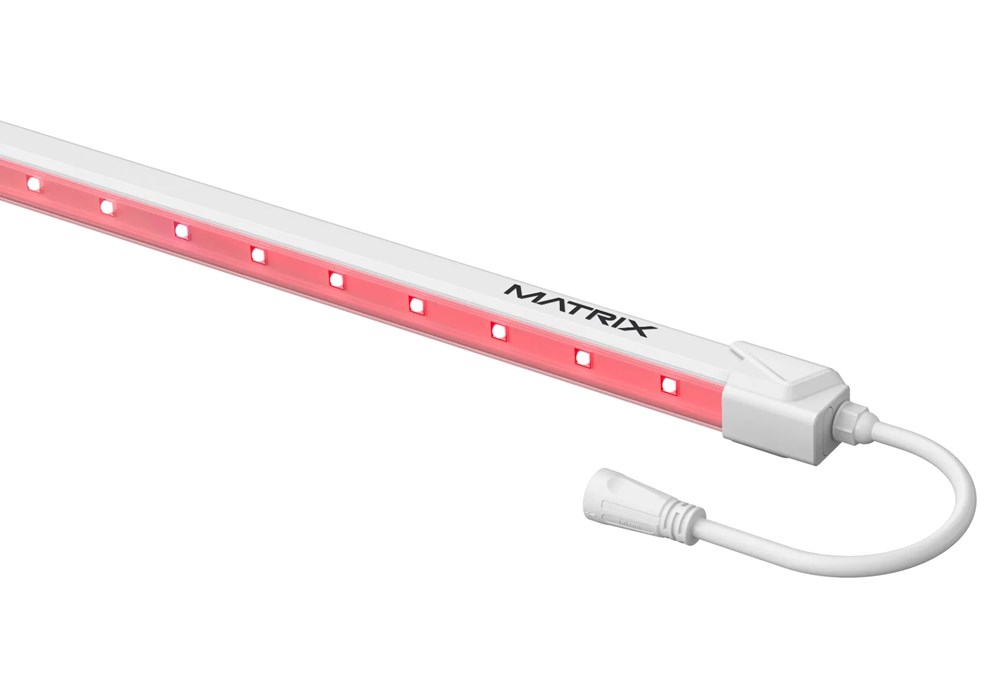
Category: Matr...
1 bought in the past month
Category: True...
Category: True...
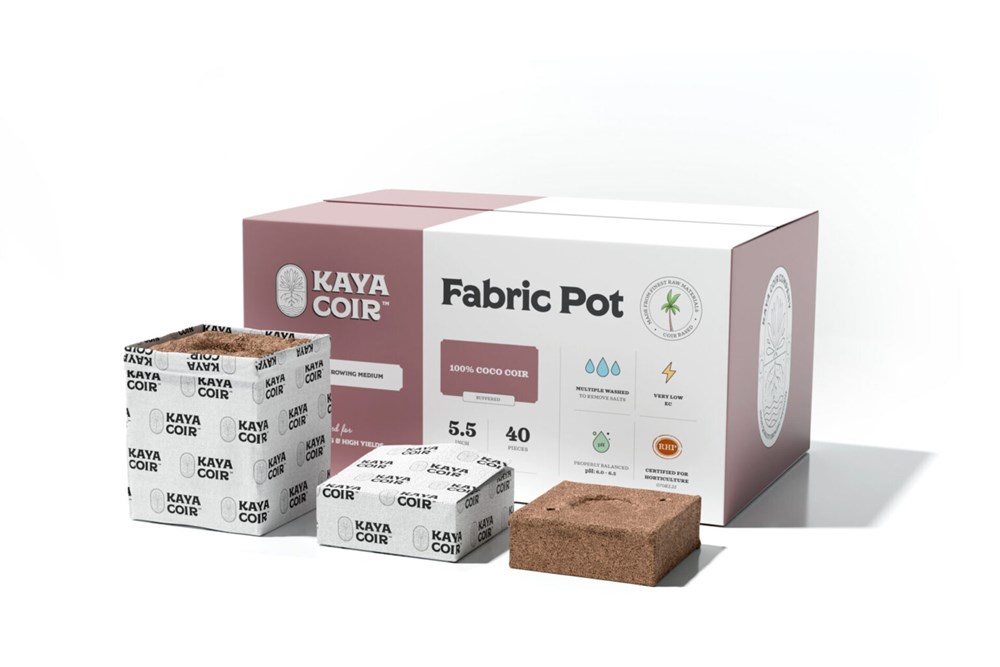
Category: Kaya
Category: Bota...

